HOW DOES A WATER SOFTENER WORK?

AND WHAT ARE THE BENEFITS?

Water Softeners, also known as a Water Conditioner make hard water easy to get along with.

Water by definition is a colorless, transparent, odorless liquid that forms the seas, lakes, rivers, and rain and is the basis of the fluids of living organisms. That being said, we often forget about how important water is in our daily life. Of course water is essential to our diets, good health and for survival, but in our homes water is something else.

Senior Drinking Water After Workout — Orlando, FL — Florida Pure Water Solutions

Water does two things extremely well; traveling and holding materials by either suspending or dissolving the materials in it. When you combine those two things, water becomes an efficient tool at moving materials from one area to another. So in our homes water is a tool. But unlike other tools, such as a drill or handsaw, water does not come with an instruction manual and most people are unaware of how water affects and contributes to so many different issues in one’s home. If we all had this manual we would know why, what we thought was clean water has damaged and or clogged our homes plumbing system, why our dishes that were just washed are still covered in spots when they dry, or why there is a film on everything that water comes in contact with in our showers.

UNFORTUNATELY, THE SOLUTION IS ALSO THE PROBLEM

Nutrient pollution can affect vital ground water and drinking water sources. Lakes, rivers and streams, provide drinking water for about 170 million people in the United States, and even more depend on it for plumbing, showering, cleaning and cooking. Ground water is water that soaks into the soil and into the water table, and close to 90 million people rely on ground water as a drinking water supply. As ground water works its way through the soil, it can pick up nitrogen and phosphorus and transport them to the water table. This polluted water then can reach public drinking water systems and private wells, where it can pose serious public health threats.


Contaminants are not the only thing that water picks up as it moves through the aquifer, in many cases water will pick up natural occurring minerals found in the earth. Of these minerals, two are particularly important to pay attention to, magnesium and calcium. These two minerals are what make our water hard and effect its ability to function in our homes.


Hard Water is the culprit behind several common issues in our homes. It’s the reason our soaps and detergent lose some of their effectiveness. Instead of our soaps and detergents dissolving completely, they combine with the minerals in the hard water and form a coagulated soap curd. And since there is less soap being dissolved, we have to use even more soap to achieve the desired effect which costs us more money and contributes to more plastic and chemicals in our environment. These insoluble soap curds also stick to our skin and can actually hinder cleansing and cause washed hair to seem dull and lifeless.


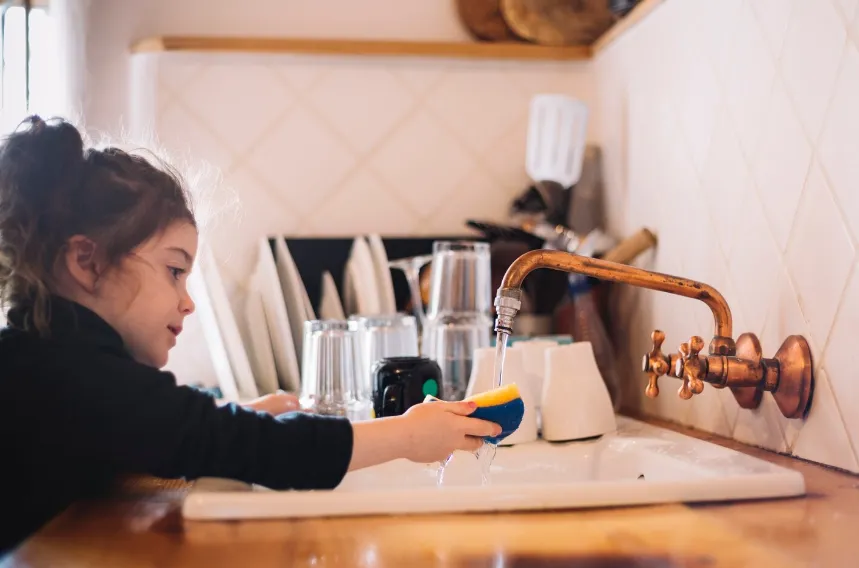
These same sticky soap curds can attach to our clothes fabric as they’re being washed and can actually trap dirt into the fibers, causing the clothing fibers to fade and becoming rough and stiff. Insoluble soap deposits will also leave spots on everything you wash. You will find hard water spots on dishes you just washed and dried, your newly washed sports car or the soap scum and film build up in your shower.


These calcium and magnesium deposits can also effect your homes plumbing system. These deposits will build up in your piping, reducing water flow to taps and appliances and eventually these minerals will generate a scale build up, reducing the efficiency of the heating elements in our homes water heater. This build up will reduce its overall life and increases the amount of electricity needed to heat our water to the desired temperature, resulting in higher electric bills and more money out of our wallets.

THE FIX FOR HARD WATER

Nutrient pollution can affect vital ground water and drinking water sources. Lakes, rivers and streams, provide drinking water for about 170 million people in the United States, and even more depend on it for plumbing, showering, cleaning and cooking. Ground water is water that soaks into the soil and into the water table, and close to 90 million people rely on ground water as a drinking water supply. As ground water works its way through the soil, it can pick up nitrogen and phosphorus and transport them to the water table. This polluted water then can reach public drinking water systems and private wells, where it can pose serious public health threats.


Contaminants are not the only thing that water picks up as it moves through the aquifer, in many cases water will pick up natural occurring minerals found in the earth. Of these minerals, two are particularly important to pay attention to, magnesium and calcium. These two minerals are what make our water hard and effect its ability to function in our homes.


Hard Water is the culprit behind several common issues in our homes. It’s the reason our soaps and detergent lose some of their effectiveness. Instead of our soaps and detergents dissolving completely, they combine with the minerals in the hard water and form a coagulated soap curd. And since there is less soap being dissolved, we have to use even more soap to achieve the desired effect which costs us more money and contributes to more plastic and chemicals in our environment. These insoluble soap curds also stick to our skin and can actually hinder cleansing and cause washed hair to seem dull and lifeless.


These same sticky soap curds can attach to our clothes fabric as they’re being washed and can actually trap dirt into the fibers, causing the clothing fibers to fade and becoming rough and stiff. Insoluble soap deposits will also leave spots on everything you wash. You will find hard water spots on dishes you just washed and dried, your newly washed sports car or the soap scum and film build up in your shower.


These calcium and magnesium deposits can also effect your homes plumbing system. These deposits will build up in your piping, reducing water flow to taps and appliances and eventually these minerals will generate a scale build up, reducing the efficiency of the heating elements in our homes water heater. This build up will reduce its overall life and increases the amount of electricity needed to heat our water to the desired temperature, resulting in higher electric bills and more money out of our wallets.

THE BRAINS OF A WATER SOFTENER

There are three types of automatic regenerating systems in most water softeners. A electric timer, computer control, or mechanical water meter is used to measure water and initiate flushing and recharging of the system.


An electric timer, which is the most basic type, flushes and regenerates the system on a regular schedule. Soft Water is not available during recharging with this system.


A computer control monitors the amount of water used and when enough water travels through the mineral tank and resin to have depleted the sodium beads, the computer turns on the regeneration. With this system some soft water will be available during recharging.


The final control is a mechanical water meter used to measure water usage and initiate recharging. The mineral tank in this system is only recharged when necessary and has no electrical components. If this system is equipped with two mineral tanks, even when recharging, soft water is always available.

DO YOU HAVE HARD WATER?

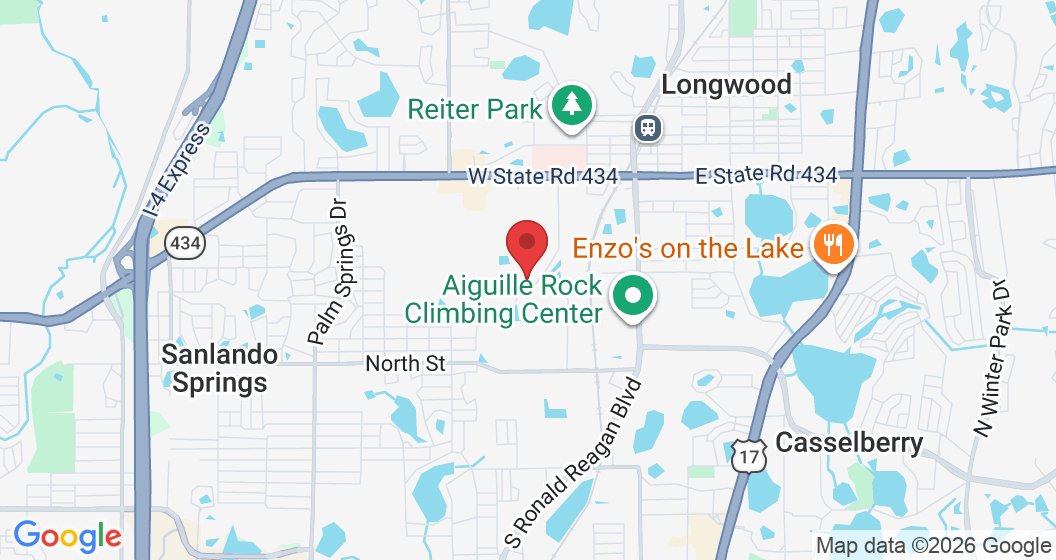
If you live in Florida, and more specifically the Orlando area, chances are you have hard water. Water hardness is measured in grains per gallon (GPG) or milligrams per liter (mg/l, which is equivalent to parts per million, or ppm). Water from 60 to 120 GPG is considered moderately hard, water over 100 GPG may not be completely softened. A water softener effectiveness also depends on how hard the incoming water is. Water up to 1 GPG IS considered soft.


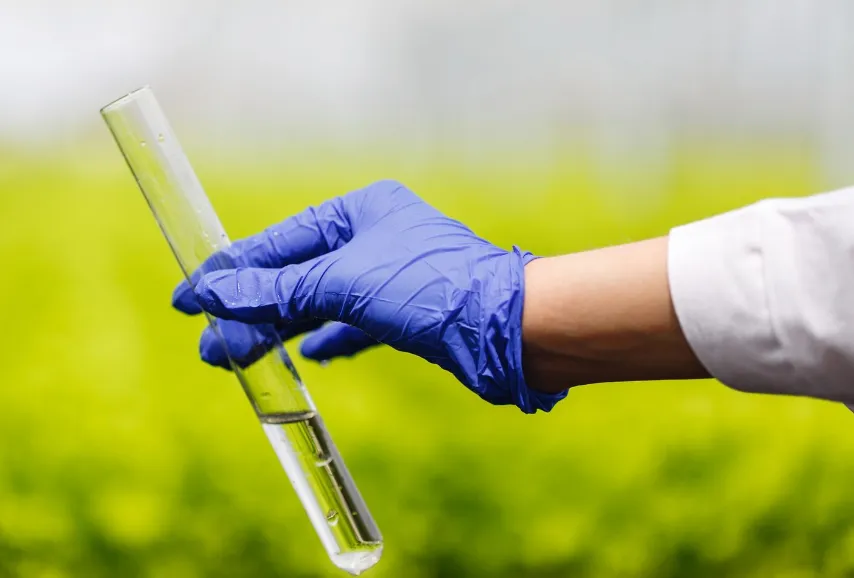
Want to find out how hard your water is, how much money you could save using soft water, or the health benefits behind a water softener? Call Florida Pure Water Solutions at 407-605-3803 to schedule your free in home test with zero obligations. WHAT’S IN YOUR WATER?

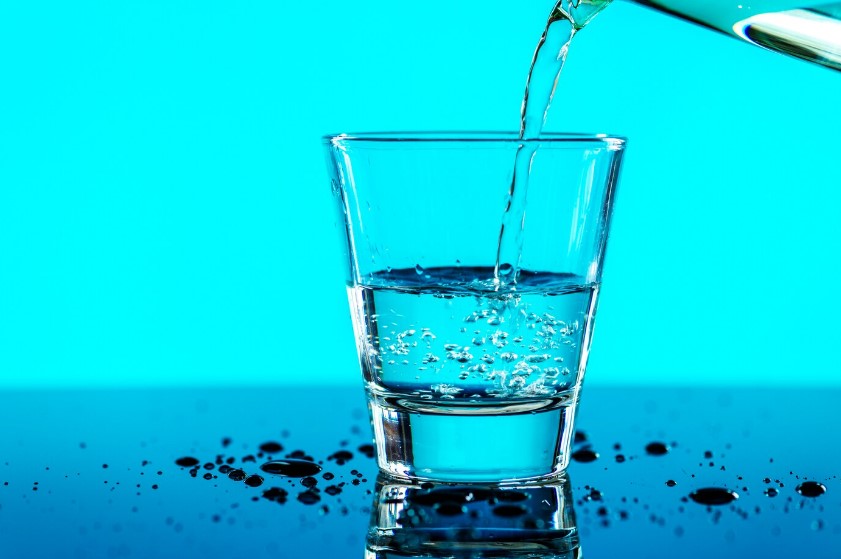
Glass of Water — Orlando, FL — Florida Pure Water Solutions

HURRY UP! CONTACT US TODAY AND GET FREE IN HOME WATER TEST